About Bad Boy Bubby
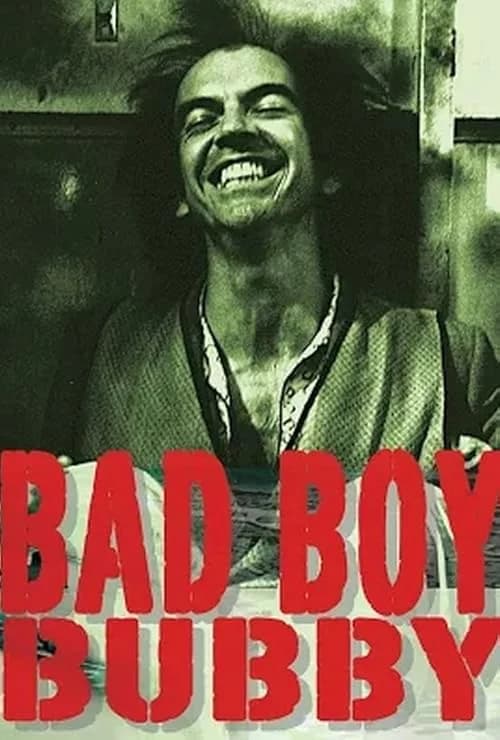
Bad Boy Bubby stands as one of Australian cinema's most audacious and unforgettable cult classics. This 1993 film follows the extraordinary journey of Bubby, a man who has spent his entire thirty years confined to a single room by his manipulative mother. When he finally escapes, the film becomes a surreal odyssey through modern society as seen through the eyes of a completely naive protagonist.
Director Rolf de Heer crafts a film that defies easy categorization, blending dark comedy, psychological drama, and social commentary with remarkable skill. Nicholas Hope delivers a career-defining performance as Bubby, creating a character who is simultaneously disturbing, pitiable, and strangely endearing. His transformation from captive innocent to streetwise survivor forms the emotional core of this challenging narrative.
What makes Bad Boy Bubby essential viewing is its uncompromising vision and unique perspective on human nature. The film explores themes of freedom, adaptation, and the absurdity of social norms through Bubby's unfiltered experiences. While certainly not for all viewers due to its confronting content, the film offers rewards for those willing to engage with its provocative storytelling. The cinematography, particularly the use of different cinematographers for each segment of Bubby's journey, creates a visually distinctive experience that mirrors his psychological development.
For fans of boundary-pushing cinema and Australian film history, Bad Boy Bubby remains a must-watch masterpiece that continues to provoke discussion decades after its release. Its blend of dark humor, social observation, and unforgettable central performance creates a viewing experience unlike any other.
Director Rolf de Heer crafts a film that defies easy categorization, blending dark comedy, psychological drama, and social commentary with remarkable skill. Nicholas Hope delivers a career-defining performance as Bubby, creating a character who is simultaneously disturbing, pitiable, and strangely endearing. His transformation from captive innocent to streetwise survivor forms the emotional core of this challenging narrative.
What makes Bad Boy Bubby essential viewing is its uncompromising vision and unique perspective on human nature. The film explores themes of freedom, adaptation, and the absurdity of social norms through Bubby's unfiltered experiences. While certainly not for all viewers due to its confronting content, the film offers rewards for those willing to engage with its provocative storytelling. The cinematography, particularly the use of different cinematographers for each segment of Bubby's journey, creates a visually distinctive experience that mirrors his psychological development.
For fans of boundary-pushing cinema and Australian film history, Bad Boy Bubby remains a must-watch masterpiece that continues to provoke discussion decades after its release. Its blend of dark humor, social observation, and unforgettable central performance creates a viewing experience unlike any other.